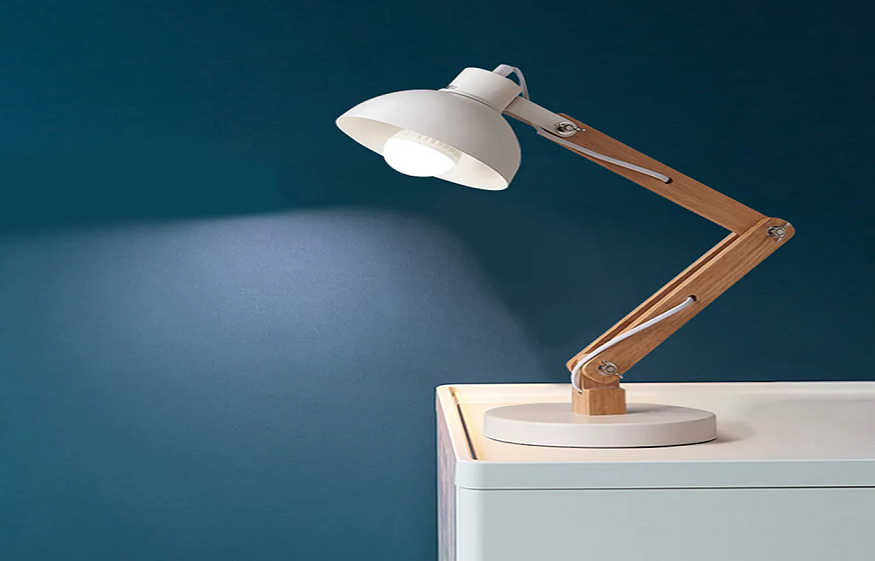
A dedicated study nook gives children a comfortable space to learn, read, and explore their creativity. While furniture, organisation, and décor play an important role, lighting is often the element that makes the biggest difference. Poor lighting can lead to eye strain, fatigue, and difficulty concentrating, while the right lighting setup helps children stay focused and comfortable for longer periods.
Creating an effective study area is not about making the space brighter; it is about using the right combination of lighting to support different activities. From a well-positioned study lamp to balanced ambient lighting from an led tube light, every lighting choice contributes to a productive environment. Adding a warm led bulb for evening hours can also create a relaxing atmosphere that encourages healthy study habits.
Read More: Transforming Your Study into a Home Office: The Essential Role of Power Backup
Here is how to design the perfect study nook for your child with smart lighting choices.
Why Does Lighting Matter in a Study Nook
Children spend a significant amount of time reading, writing, and working on screens. Proper lighting helps reduce visual fatigue and improves focus during study sessions.
Good lighting can:
- Minimise eye strain and headaches
- Improve concentration and reading comfort
- Support better posture by reducing the need to lean closer to books
- Create a welcoming and organised study environment
- Help maintain a healthy balance between study and relaxation
The goal is to create a space where children can work comfortably without feeling tired or distracted.
Start with Natural Light
Natural daylight is one of the best sources of illumination for a study space. If possible, position the study desk near a window to maximise daylight during the day.
Some tips include:
- Place the desk perpendicular to the window to reduce glare.
- Use light curtains to soften harsh sunlight.
- Keep windows clean to allow maximum daylight indoors.
- Avoid positioning screens directly facing the window.
Natural light not only improves visibility but also helps children stay alert and engaged while studying.
Layer Lighting for Better Functionality
A successful study nook uses multiple layers of lighting instead of relying on a single source.
Ambient Lighting
Ambient lighting provides overall illumination for the room. A well-installed led tube light can offer consistent brightness throughout the study area without creating dark corners.
Benefits of ambient lighting include:
- Even light distribution
- Reduced contrast between the desk and surrounding space
- Comfortable visibility throughout the room
This layer acts as the foundation of the lighting setup.
Task Lighting
Task lighting focuses directly on study activities. A properly positioned study lamp helps illuminate books, notebooks, and creative projects.
When selecting task lighting:
- Ensure the light covers the entire work surface.
- Position the lamp opposite the writing hand to prevent shadows.
- Choose adjustable fixtures for flexibility.
- Avoid lights that are too bright or harsh.
A dedicated study lamp provides focused illumination exactly where children need it most.
Choose the Right Colour Temperature
Colour temperature significantly affects how a study space feels and functions.
Cooler white light is often suitable for daytime study because it promotes alertness and concentration. However, studying late into the evening under overly bright cool lighting may feel uncomfortable.
A warm LED bulb can be a great addition for evening reading sessions or winding down after homework. Its softer glow creates a calmer atmosphere and reduces the starkness often associated with brighter white lighting.
Balancing different colour temperatures throughout the day helps create a more comfortable learning environment.
Reduce Glare and Shadows
Glare can make reading difficult and cause eye fatigue over time. It is important to position lighting carefully to avoid reflections on books, tablets, and computer screens.
To minimise glare:
- Use diffused lighting whenever possible.
- Position lights above eye level.
- Avoid placing lights directly behind screens.
- Select matte surfaces for desks and study tables.
Reducing shadows and glare helps maintain visual comfort, especially during longer study sessions.
Create a Comfortable Reading Corner
Many study nooks also double as reading spaces. Adding a cosy reading corner encourages children to spend more time with books.
A comfortable reading area can include:
- A supportive chair or bean bag
- Soft cushions
- A nearby study lamp for focused reading
- A warm LED bulb to create a relaxing atmosphere
This separate zone can help children transition from structured learning to leisurely reading.
Keep the Study Space Organised
Even the best lighting cannot compensate for a cluttered workspace. Smart organisation works hand in hand with good lighting design.
Some simple ideas include:
- Use storage bins for stationery and books.
- Keep frequently used items within reach.
- Maintain clear desk surfaces.
- Position lighting controls for easy access.
A clean and organised study nook allows lighting to perform more effectively and helps children stay focused.
Make the Space Adaptable
As children grow, their study needs change. A flexible lighting setup can adapt to different activities such as homework, art projects, reading, and computer-based learning.
Consider:
- Adjustable task lighting
- Multiple brightness levels
- Easy-to-reach switches
- Lighting that supports both study and relaxation
This adaptability ensures the study nook remains useful for years to come.
Building a Space That Inspires Learning
A thoughtfully designed study nook can make learning more enjoyable and productive for children. The key lies in combining natural light, balanced ambient illumination, focused task lighting, and comfortable evening lighting to support different activities throughout the day.
A reliable LED tube light provides the foundation for overall brightness, while a well-positioned study lamp delivers focused illumination for homework and reading. Adding a warm LED bulb for quieter moments creates a cosy atmosphere that encourages a healthy balance between learning and relaxation.
Read More: DIY Carpet Cleaning Techniques for Deep Stains
With the right lighting choices, a simple corner of the home can become an inspiring space where children feel motivated to learn, grow, and succeed.