
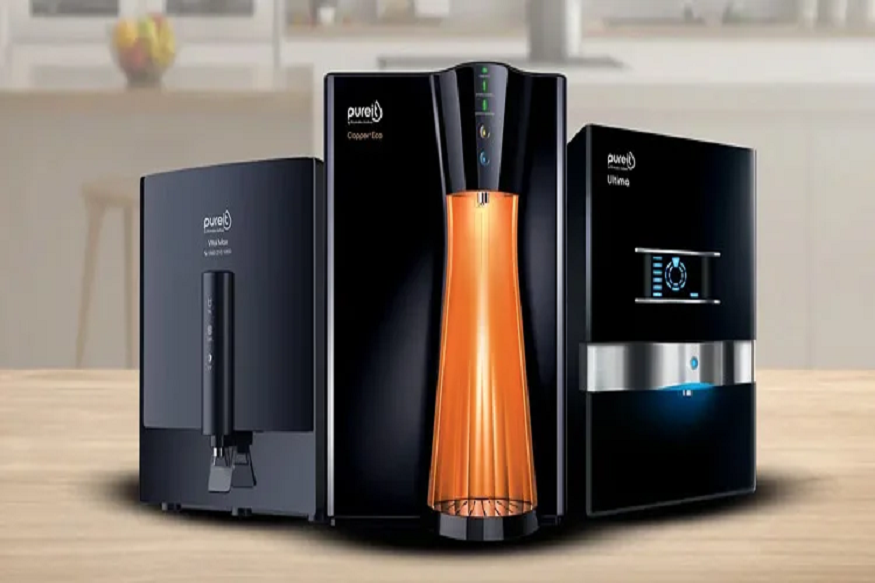
Water is central to everything our body does, from digestion and circulation to immunity and temperature regulation. Yet, despite its importance, the quality of drinking water is often taken for granted. In many Indian households, tap or borewell water may look clear but still carry harmful contaminants. This is where a water purifier plays a crucial role in protecting health and reducing the risk of waterborne diseases.
The Hidden Risks in Everyday Drinking Water
Drinking water can contain a mix of visible and invisible impurities. These may include bacteria, viruses, parasites, dissolved salts, heavy metals like lead or arsenic, excess chlorine, and chemical residues from industrial or agricultural sources. Over time, consuming such water can lead to frequent stomach infections, diarrhoea, typhoid, jaundice, and long-term health issues affecting the liver, kidneys, and digestive system.
Children, elderly family members, and people with weaker immunity are especially vulnerable. Even occasional exposure to contaminated water can result in recurring illness and poor overall health.
How a Water Purifier Improves Water Safety
A water purifier works by removing or neutralising harmful elements before the water reaches your glass. Depending on the technology used, such as RO, UV, or UF, purifiers target different types of impurities.
- RO (Reverse Osmosis) removes dissolved salts, heavy metals, and high TDS, making it suitable for areas with hard or chemically contaminated water.
- UV (Ultraviolet) technology disinfects water by killing bacteria and viruses without altering taste.
- UF (Ultrafiltration) helps remove larger particles, cysts, and microbes from low-TDS water.
When combined, these purification stages ensure water is not just clear but genuinely safe to drink.
Reducing the Risk of Waterborne Diseases
One of the most direct health benefits of using a water purifier is the significant reduction in waterborne illnesses. Diseases such as cholera, dysentery, and gastroenteritis are commonly spread through contaminated water. By eliminating disease-causing microorganisms, a purifier helps prevent frequent stomach upsets, dehydration, and infections that often disrupt daily life.
For families, this means fewer sick days, reduced medical expenses, and greater peace of mind, especially during monsoon seasons when water contamination risks increase.
Supporting Long-Term Health and Immunity
Consistently drinking clean, purified water supports better digestion, nutrient absorption, and metabolism. When the body is not constantly fighting harmful pathogens, the immune system functions more efficiently. Over time, this can translate into improved energy levels, healthier skin, and better overall well-being.
Purified water also reduces the intake of excess salts and chemicals, lowering the strain on vital organs such as the kidneys and liver. This is particularly important for individuals managing lifestyle conditions or those advised to monitor mineral intake.
A Healthier Choice for Everyday Living
Boiling water may kill some germs, but it does not remove dissolved impurities or heavy metals. A water purifier offers a more reliable, convenient, and consistent solution for daily use. With easy access to safe drinking water at home, families are less likely to rely on packaged water or unsafe sources.
Conclusion
A water purifier is more than just a kitchen appliance; it is a long-term investment in health. By removing harmful contaminants and reducing exposure to disease-causing organisms, it supports better well-being, fewer illnesses, and a safer lifestyle for the entire family. Whether you choose a countertop model or an under sink water purifier for a cleaner, clutter-free setup, the right system makes a real difference. In a world where water quality can no longer be taken for granted, choosing the right purifier is a simple yet powerful step towards healthier living.


